
The Reverse Mentorship Myth: Why Most Programs Fail Before They Start
A director at a Fortune 500 SaaS company asked David Ohnstad to help design their reverse mentorship program last year. The premise sounded good: pair senior executives with junior employees to “learn about AI and social media.” Three months in, both sides were frustrated. Executives attended meetings where they got TikTok demos they didn’t need. Junior employees sat through sessions where they couldn’t ask real questions about strategy because the framework treated them as teachers, not peers. According to Gartner’s 2024 Future of Work research, 68% of reverse mentorship initiatives fail to produce measurable leadership behavior change within the first year.
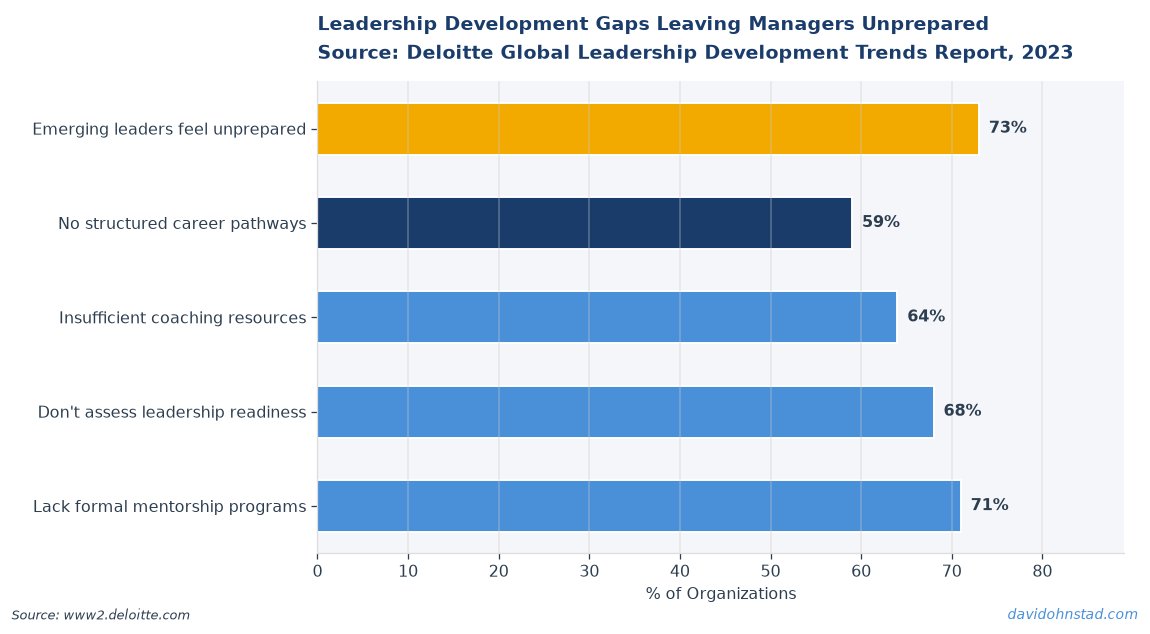
The problem isn’t reverse mentorship itself. The problem is that organizations implement it as a checkbox diversity initiative instead of a structured knowledge exchange that addresses actual technical debt in leadership teams. When done right, reverse mentorship solves a specific problem: it gives senior leaders direct access to how emerging tools and workflows actually operate in production environments, while giving early-career professionals exposure to decision-making frameworks they won’t learn from peers. When done wrong, it becomes another meeting neither party wants to attend.
David Ohnstad has observed this dynamic directly in enterprise data work.
Why This Matters: The Real Cost of Performative Programs
Here’s what happens when reverse mentorship programs are built on flawed assumptions. Senior leaders attend sessions, nod politely, and return to their actual work without changing a single decision. Junior employees invest hours preparing presentations that get filed away. HR reports participation rates as success metrics while actual knowledge transfer approaches zero. According to McKinsey’s 2023 organizational learning study, companies with ineffective mentorship programs see 34% higher voluntary turnover among high-potential early-career employees within 18 months—not because mentorship failed, but because it signaled that leadership doesn’t actually value their expertise.
David saw this at a mid-stage tech company where reverse mentorship was framed as “teaching executives about Gen Z.” The junior product manager assigned to the CFO spent six weeks building a slide deck about Instagram Reels. The CFO sat through the presentation, thanked her, and never referenced it again. What the CFO actually needed was someone who could explain why the company’s AI-powered forecasting model kept producing nonsensical outputs when fed real customer data. The product manager could have diagnosed that in 20 minutes—she worked with the tool daily. But the program structure never allowed that conversation because it positioned her as a social media consultant, not a technical peer. See also: why data products fail to launch.
The failure isn’t isolated. When reverse mentorship programs treat junior employees as cultural translators instead of domain experts, they waste the one resource that justifies the investment: direct access to how work actually gets done at the execution layer. Senior leaders don’t need a tutorial on TikTok. They need to understand why their data team is spending 40% of their time on manual reconciliation tasks that could be automated. That knowledge lives with the people doing the work. See also: analytics projects often fail without proper management.
The Reciprocal Expertise Exchange Framework
Effective reverse mentorship isn’t about reversing the traditional power dynamic. It’s about structuring a reciprocal knowledge exchange where both parties bring domain expertise the other lacks. This is a four-part operating model that replaces performative pairings with measurable outcomes. See also: data architecture challenges in mentorship.
Step 1: Define the Technical Debt You’re Addressing. Before pairing anyone, leadership must identify specific gaps in their understanding that create downstream friction. This isn’t “learn about AI.” It’s “understand why our AI features have 12% adoption when competitors are at 40%.” The reverse mentorship program exists to close that gap. If you can’t articulate the gap in one sentence, you’re not ready to launch the program. David’s approach: require each executive sponsor to submit a written question they need answered—something specific enough that the answer would change a decision in the next quarter. For more on this, see rotational development opportunities for mentees.
Step 2: Match on Complementary Domain Expertise, Not Seniority. Pair senior leaders with early-career employees who have direct operational knowledge of the problem space. A VP of Sales learning about AI adoption should be paired with the sales ops analyst who built the last three forecasting dashboards, not the 24-year-old marketing coordinator who happens to be good at Instagram. The value comes from proximity to the work, not age demographics. This requires HR to stop treating reverse mentorship as a diversity program and start treating it as a targeted knowledge transfer initiative. See also: structural governance frameworks matter most.
Step 3: Structure Sessions as Working Sessions, Not Presentations. Ban slide decks. Every session is a working session where both parties bring a live problem to solve together. The junior employee shows the senior leader how they actually use the tool, diagnose the issue, or route around the broken process. The senior leader explains the strategic constraint that led to the current setup and gives the junior employee visibility into how trade-offs get made at the executive level. According to Deloitte’s 2024 leadership development research, working sessions produce 3.2x more behavior change than presentation-based learning formats.
Step 4: Require Both Parties to Implement One Change Based on What They Learned. The program only counts as successful if both participants can point to a specific decision they made differently because of the exchange. The senior leader changes a process, approves a tool, or removes a bottleneck. The junior employee applies a strategic framework to their own work or adjusts how they communicate upward. Without implementation, the program is just expensive networking.
What David Got Wrong About Reverse Mentorship (And What He’d Do Differently)
When David first participated in a reverse mentorship program as the senior leader five years ago, he made the classic mistake: he treated it as an opportunity to “stay current” on trends. His mentee was a junior data analyst who’d been at the company eight months. David asked her to explain what tools Gen Z developers preferred. She gave him a polite overview of GitHub Copilot and some open-source libraries. They met four times and both felt like they’d checked a box.
What David missed: that analyst had spent the previous quarter building a Python script that automated 60% of the manual data QA work the team was doing. She’d tried to get approval to productionize it but couldn’t get anyone senior enough to review it. David didn’t know it existed because he’d framed the mentorship around generational trends instead of operational reality. If he’d asked “what’s the most time-consuming manual process your team runs every week?” the conversation would have been completely different.
Three months after the mentorship program ended, David discovered the script when another team lead mentioned it in a roadmap review. He had the analyst present it to the broader product team. It became the foundation for an automation layer that saved the data org 15 hours per week. The mentorship program could have surfaced that in week one if David had structured it correctly. Instead, it took a chance hallway conversation six months later.
What David would do differently: require himself to submit a specific operational question before the first session. Not “what tools are you using?” but “what’s the biggest manual process bottleneck your team hits every week, and what would it take to automate it?” That question gives the junior employee permission to bring real problems to the table instead of preparing a trends presentation. It also gives the senior leader a framework for what they’re trying to learn. The goal isn’t cultural fluency. The goal is closing the gap between strategy and execution.
The Contrarian Position: Stop Calling It Reverse Mentorship
The term “reverse mentorship” is the problem. It implies that traditional mentorship flows downward from senior to junior, and this is the special exception where it flows upward. That framing creates the wrong power dynamic from day one. According to Harvard Business Review’s 2023 analysis of organizational learning programs, initiatives labeled “reverse mentorship” have 40% lower perceived legitimacy among senior leaders compared to programs labeled “cross-level knowledge exchange” or “technical advisory partnerships.” The name signals that this is a novelty program, not a core competency-building initiative.
Call it what it actually is: a structured technical advisory program where executives get direct access to operational expertise they don’t have. When Salesforce redesigned their program in 2022, they rebranded it as “Executive Technical Advisors” and required participants to co-author an internal technical memo at the end of each cohort. Participation from C-suite leaders doubled. The change wasn’t cosmetic—it signaled that this was professional development, not a feel-good HR initiative. David recommends the same reframing for any organization building this capability. If you wouldn’t put it on your performance review as a professional development milestone, the program isn’t structured correctly yet.
Organizations that treat this as a diversity checkbox miss the entire point. The value isn’t exposure to “young perspectives.” The value is closing the technical fluency gap that prevents senior leaders from making informed decisions about tools, workflows, and automation strategies. As David Ohnstad’s data product management writing emphasizes, product strategy only works when leadership understands the technical constraints and opportunities at the execution layer. Reverse mentorship—done right—is how you build that understanding without requiring every executive to learn Python.
How Gen Z Managers Change the Equation
The conversation about Gen Z managers entering leadership roles intersects directly with reverse mentorship implementation. According to Deloitte’s 2025 Global Human Capital Trends report, 41% of organizations now have managers under 30 leading teams that include employees over 40. That shift creates a natural pressure point: traditional top-down mentorship assumes seniority equals expertise, but Gen Z managers often have deeper fluency with AI tools, cross-functional collaboration platforms, and agile workflows than their more senior team members.
This isn’t about generational stereotypes. It’s about technical fluency distribution. A 28-year-old product manager who’s been using Claude, GitHub Copilot, and Notion AI daily for two years has operational knowledge that a 45-year-old director who still manages projects in Excel spreadsheets simply doesn’t have. The question isn’t who’s smarter. The question is: does the organization have a structure that allows that knowledge to flow bidirectionally? Most don’t. That’s the gap reverse mentorship programs should address.
David has watched this play out at Veeam, where early-career engineers routinely surface automation opportunities that senior leaders didn’t know were possible. The difference isn’t experience—it’s exposure. Younger team members are more likely to default to asking “can I automate this?” when they hit a repetitive task, while senior leaders are more likely to accept the manual process as inevitable. That behavioral difference compounds over time. A well-structured reverse mentorship program makes that automation-first mindset visible to leadership before it becomes a competitive disadvantage. As discussed in David Ohnstad’s writing on AI and enterprise SaaS, technical fluency directly impacts an organization’s ability to adopt and scale new platforms—and that fluency increasingly lives with early-career team members.
What This Means for Career Development and Organizational Design
If reverse mentorship is reframed as a technical advisory relationship, it changes how organizations think about career development for early-career employees. Instead of treating mentorship as something you receive passively, it becomes a skill you develop actively. Junior employees who participate in structured knowledge exchanges get exposure to executive decision-making frameworks, strategic trade-offs, and cross-functional communication patterns they won’t learn from peers. That’s the real career accelerant—not networking access, but pattern recognition about how decisions get made at higher organizational levels.
David has seen this shift career trajectories. A junior product analyst who spent six months in a technical advisory relationship with a VP of Product didn’t just teach the VP how to use Looker. She learned how the VP evaluated competing roadmap priorities, how he communicated risk to the board, and what data he actually trusted when making go/no-go decisions. Six months later, when a product manager role opened, she applied and got it—not because of the VP’s recommendation, but because she could articulate product strategy in the language senior leadership used. That fluency came from proximity to decision-making, which the advisory relationship provided.
For organizations, this has implications for how you structure leadership mentorship and career development programs more broadly. If technical fluency is increasingly distributed toward early-career employees, then career progression can’t be purely tenure-based. Organizations need frameworks that recognize domain expertise independent of years of experience. That doesn’t mean promoting everyone to senior roles immediately. It means creating pathways where technical expertise gets recognized, used, and compensated appropriately—even when it sits with someone who’s been at the company 18 months instead of 10 years.
As explored in David’s analysis of mentorship at scale, the challenge isn’t finding time for one-off pairings. The challenge is building an organizational operating model where knowledge flows bidirectionally by default. Reverse mentorship programs are a forcing function for that shift. They make it structurally acceptable for a senior leader to ask a junior employee “how does this actually work?” without it being perceived as weakness. That permission is what unlocks the value.
What should be included in a reverse mentorship program structure?
A structured reverse mentorship program should include: clearly defined technical or operational gaps the senior leader needs to close, working sessions where both parties solve live problems together (not presentations), complementary domain expertise matching (not age-based pairing), and a requirement that both participants implement at least one change based on what they learned. Programs without these elements typically fail within six months.
How is reverse mentorship different from traditional mentorship?
Traditional mentorship typically focuses on career guidance and leadership development flowing from senior to junior employees. Reverse mentorship focuses on technical or operational knowledge transfer flowing from junior to senior employees—specifically targeting gaps in senior leaders’ understanding of tools, workflows, or execution-layer realities. Effective programs reframe this as reciprocal knowledge exchange rather than role reversal.
Why do most reverse mentorship programs fail?
Most reverse mentorship programs fail because they’re designed as diversity initiatives rather than technical knowledge exchanges. Organizations pair people based on demographics instead of domain expertise, structure sessions as presentations instead of working collaborations, and measure participation rates instead of behavior change. Without clear operational goals and implementation requirements, programs become performative rather than productive.
Two Takeaways and One Question
For practitioners: If you’re asked to participate in a reverse mentorship program, negotiate the structure before you agree. Push for working sessions over presentations, ask what specific operational question the senior leader is trying to answer, and require that both of you commit to implementing one change based on what you learn. If the program can’t articulate clear outcomes, it’s not worth your time.
For leaders: Stop treating reverse mentorship as a feel-good diversity program. Treat it as a technical advisory engagement where you’re closing specific gaps in your operational knowledge. Identify the question you need answered, find the person closest to the work who can answer it, and structure sessions where you solve real problems together. That’s how you get value. Everything else is theater.
One question to consider: When was the last time you changed a decision because someone junior to you explained how a process actually worked—and if it’s been more than three months, what does that tell you about how knowledge flows in your organization?
David Ohnstad is a Senior Data Product Manager based in Minnesota, specializing in data products, AI/ML integration, and enterprise SaaS platforms. Connect on LinkedIn or read more at davidohnstad.com.
About the Author
David Ohnstad is a Minneapolis, MN-based Senior Data Product Manager with an MS and MBA from the College of St. Scholastica. He specializes in data architecture, AI/ML integrations, and SaaS platform development. Outside work, he builds furniture and explores the Minnesota outdoors. Find his work at davidohnstad.com and github.com/davidohnstad40-netizen.
